American Councils
Alumni Feature

Studying abroad continues to be vital for my academic, professional, and personal development for my future career goals and plans. Every country I live in exposes me to entirely new worldviews and mindsets that enrich my perspective on my field and the mentalities I can adopt to become a more inclusive academic and professional.
MORE FROM THIS REGIONJoslyn Jasmine-Maria Felicijan, MA Candidate in Global Cultures, University of Bologna
Get Involved
American Councils’ community includes over 100,000 alumni and programs in 130 countries.
Join our mission to make international education accessible to all.

Our partnerships empower cultural and educational advancements, language acquisition, foster dialogue, and promote peace in countries vital to our national security and economy. Learn more about our philanthropic initiatives and scholarships, or how you can volunteer or provide in-kind donations or services to support students, emerging leaders, and public servants from 80 countries.
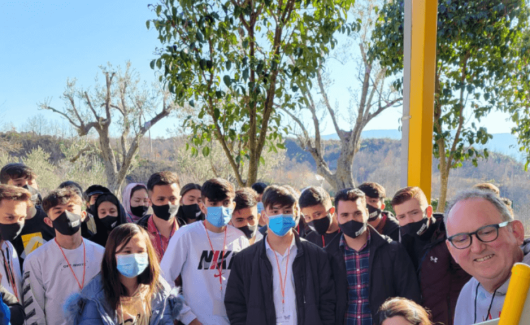
To date, we have built a community of more than 100,000 alumni, including national leaders, ministers, members of parliament, ambassadors, and CEOs. These funds and fellowships support American Councils’ mission to foster excellence in international education and provide vitally important opportunities for the next generation of global leaders.
Donate today to help us expand access to international education and create a more productive and informed world.
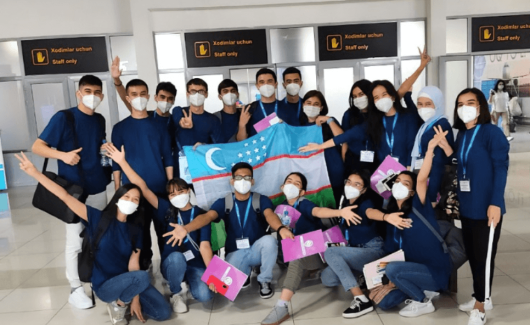
For decades, more than 40,000 exceptional exchange students from over 50 countries have shared meals, holidays, and laughter with American host families. Sponsored on U.S. government scholarships, exchange students supported by American Councils spend an academic year at local high schools, eagerly sharing their cultures, contributing to their new communities, and joining school activities.
Whether you live in a major city or rural community, you can offer our bright and ambitious international students an authentic and positive American experience.
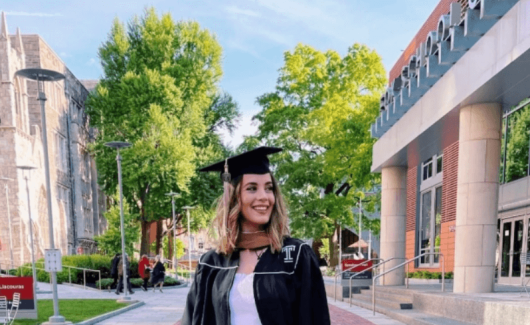
We are proud to consider more than 94,000 alumni of all experiences and industries as part of our global network. Your diversity only makes us stronger. No matter what type of program you participate in, we hope you’ll share an update (or nominate a peer) to be featured on our website or other channels or inform us how we can better lend support in the future. You are proof that international education yields incredible results, so let’s stay in touch!
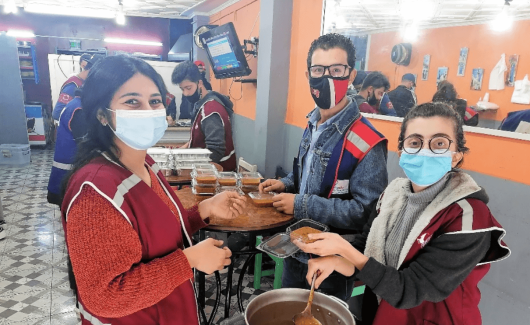
American Councils seeks U.S.-based volunteers to evaluate scholarship applications of high school students from 29 countries, including the United States.
Volunteer evaluators support youth exchange programs, which empower the next generation of global citizens and establish long-lasting ties between the United States and other countries. To volunteer, you must participate in a training workshop. Subsequently, hours are flexible.
Featured Programs
American Councils’ portfolio includes over 250 international exchange, professional development,
and language programs produced in partnership with more than 1,000 organizations.